CategoriesSports & Diabetes

What if sports were the answer?

Adolescence and Type 1 Diabetes: 12 Months of High Blood Sugar, Hidden Boluses, and Letting Go. We were at a loss. The turning point came through weight training and a coach who became a role model for him as he grew up. Sports restored our son’s self-confidence and his desire to manage his blood sugar levels. A mother’s story.
CategoriesSports & Diabetes

Check and Surf

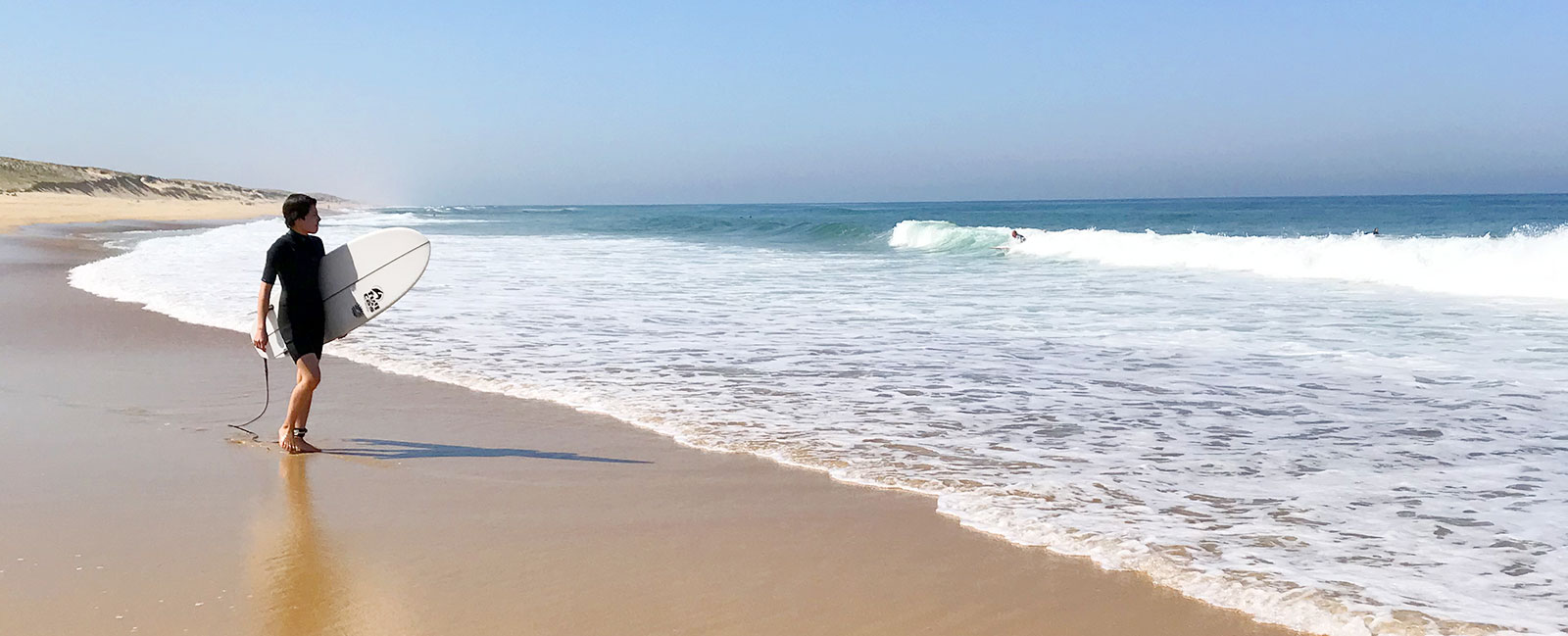
Teiva, who wasn’t athletic before being diagnosed with type 1 diabetes at age 10, asks us to sign him up for surf school. An extremely demanding sport: 1 hour and 30 minutes in 16° water, paddling against the current, and blood sugar levels that drop slowly with each session. Our fear of hypoglycemia out at sea, his monitoring equipment left on the beach facing the break, and how surfing has become his source of balance.

CategoriesDaily Life with Type 1 Diabetes

Containment

Lockdown and diabetes: easier on our blood sugar levels? On social media, there are dozens of accounts of blood sugar levels staying within target range, with no spikes. Less stress, calmer emotions, home-cooked and shared meals, and less snacking. Our observations at home and why this favorable blood sugar trend surprised us.

CategoriesDaily Life with Type 1 Diabetes

The School Trip

First school trip: 7 days in England, a 12-hour bus ride—our little bear is leaving the nest. A suitcase full of hypo-prevention snacks, mental stress at 100%, and that strange mix of fear and pride. He’ll manage his Lantus at 9 p.m., his boluses, and his blood sugar checks. He’ll probably be off-target, but he’s going to live his adventure. Trusting him—that’s part of living with diabetes, too.

CategoriesDaily Life with Type 1 Diabetes Understanding diabetes

Course errors

Managing type 1 diabetes is a real job, and mistakes are part of everyday life. Running out of insulin on a Saturday at 6:30 p.m., taking 22 units of Novorapid instead of Lantus at 9 p.m., forgetting a bolus, getting an upset stomach right after an injection… Here’s a little sampling of our four years with T1D—our sleepless nights fueled by apple juice and “therapeutic” Coke—and how we always manage to get through it.

CategoriesThe Story of Gluchypo

A little history

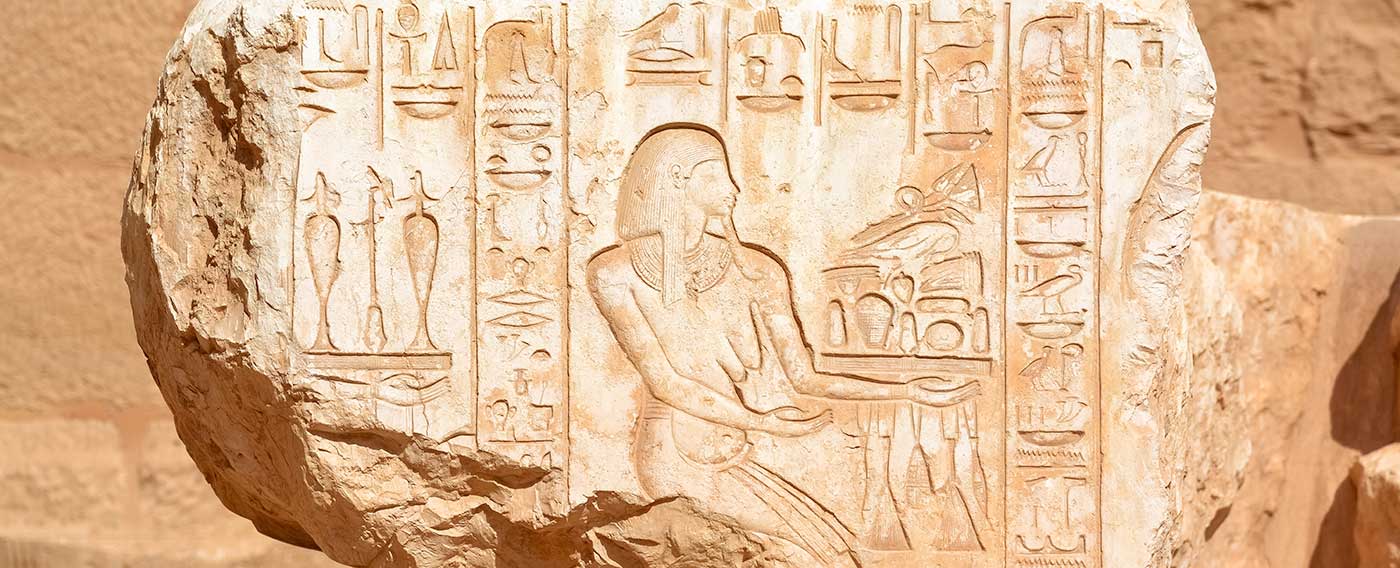
Diabetes is one of the oldest recognized diseases—from the Ebers Papyrus in 1500 B.C. to the sweet urine tasted by Thomas Willis, from the Greek word meaning “to pass through” to the islets of Langerhans. Until 1922, when 14-year-old Ted Ryder became the first person to receive insulin and was saved from a coma. Our story begins on April 18, 2016.

CategoriesUnderstanding diabetes

Diabetes

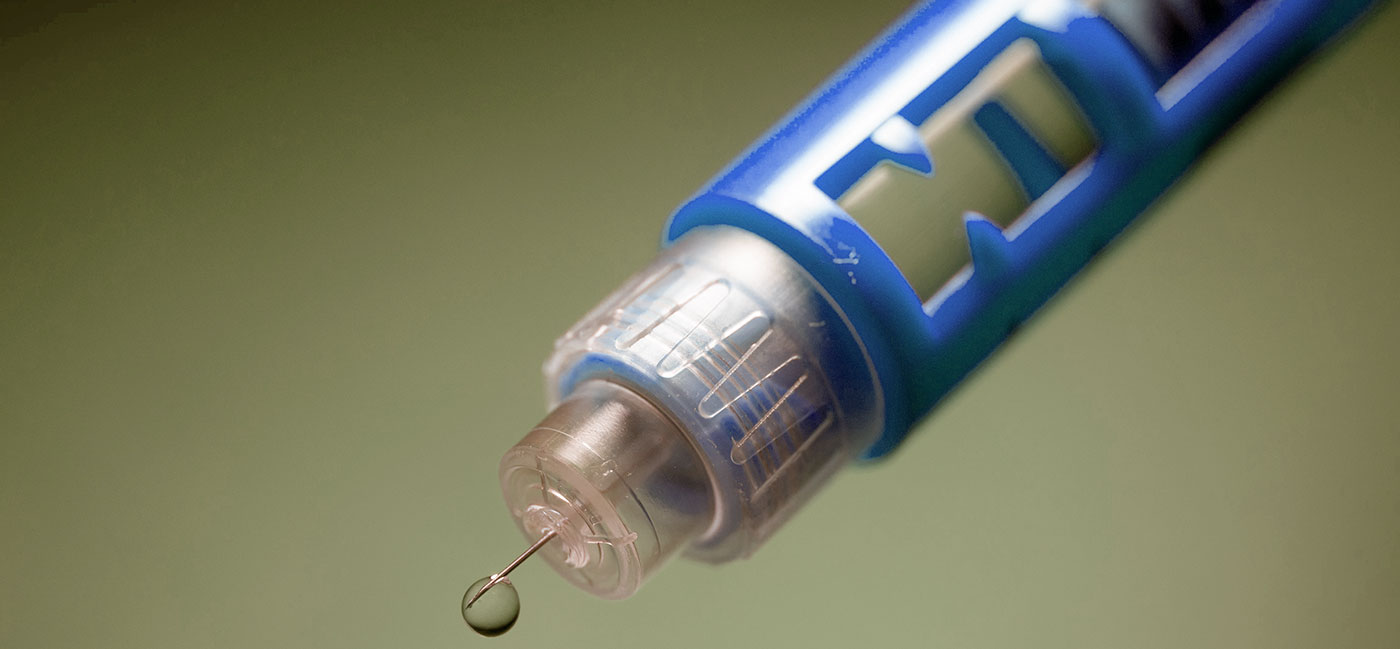
Understanding Type 1 Diabetes Simply. With every meal, glucose enters the bloodstream. A healthy pancreas releases the right amount of insulin, but a pancreas with type 1 diabetes no longer produces it. The result: without insulin, blood sugar spikes (hyperglycemia); too much insulin causes it to drop below 0.60 g/L (hypoglycemia). The goal is to stay between 0.70 and 1.80 g/L. It’s a real balancing act between long-acting and short-acting insulin, meals, emotions, and emergency carbohydrate intake.